

The Thrill of Risk: Understanding High-Stakes Gambling
The world of high-stakes gambling offers a unique blend of excitement and tension that captivates many individuals. At the heart of this phenomenon is the psychology of risk-taking. High-stakes casino decisions often involve weighing potential rewards against the inevitable dangers of significant financial loss, which can be as perplexing as choosing non gamstop casinos. This complex interplay of emotions can lead gamblers to make choices that might seem irrational at first glance.
Furthermore, the adrenaline rush experienced during high-stakes play can create a euphoric state, known as the “gambler’s high.” This sensation reinforces the desire to continue betting, despite the associated risks. Understanding the psychological drivers behind these feelings can provide insights into why some individuals are drawn repeatedly back to the tables, even after substantial losses.
The Influence of Environment on Decision-Making
The casino environment is meticulously designed to evoke specific emotional responses. Bright lights, engaging sounds, and the overall ambiance contribute to a near-hypnotic state that can significantly influence decision-making. This carefully curated atmosphere often desensitizes players to the real financial implications of their bets, fostering impulsivity.
Moreover, social interactions within casinos can also impact a gambler’s choices. The presence of fellow players, the encouragement from friends, or the competitive spirit of a game can lead to decisions that prioritize social acceptance or thrill over financial prudence. This social dimension adds an additional layer of complexity to understanding high-stakes gambling behaviors.
The Role of Cognitive Biases in Gambling Decisions
Cognitive biases play a critical role in high-stakes gambling. Common biases, such as the illusion of control, lead players to believe that they can influence the outcome of a game despite its inherent randomness. This false sense of agency can lead to larger bets, as gamblers mistakenly think they possess skills that can sway the game in their favor.
Additionally, the availability heuristic affects how gamblers assess risk based on recent experiences. If a player has just witnessed a big win, they may overestimate their likelihood of success in subsequent rounds. These cognitive distortions show how our mental shortcuts can significantly affect financial decision-making in casinos.
Emotional Attachment and Loss Aversion
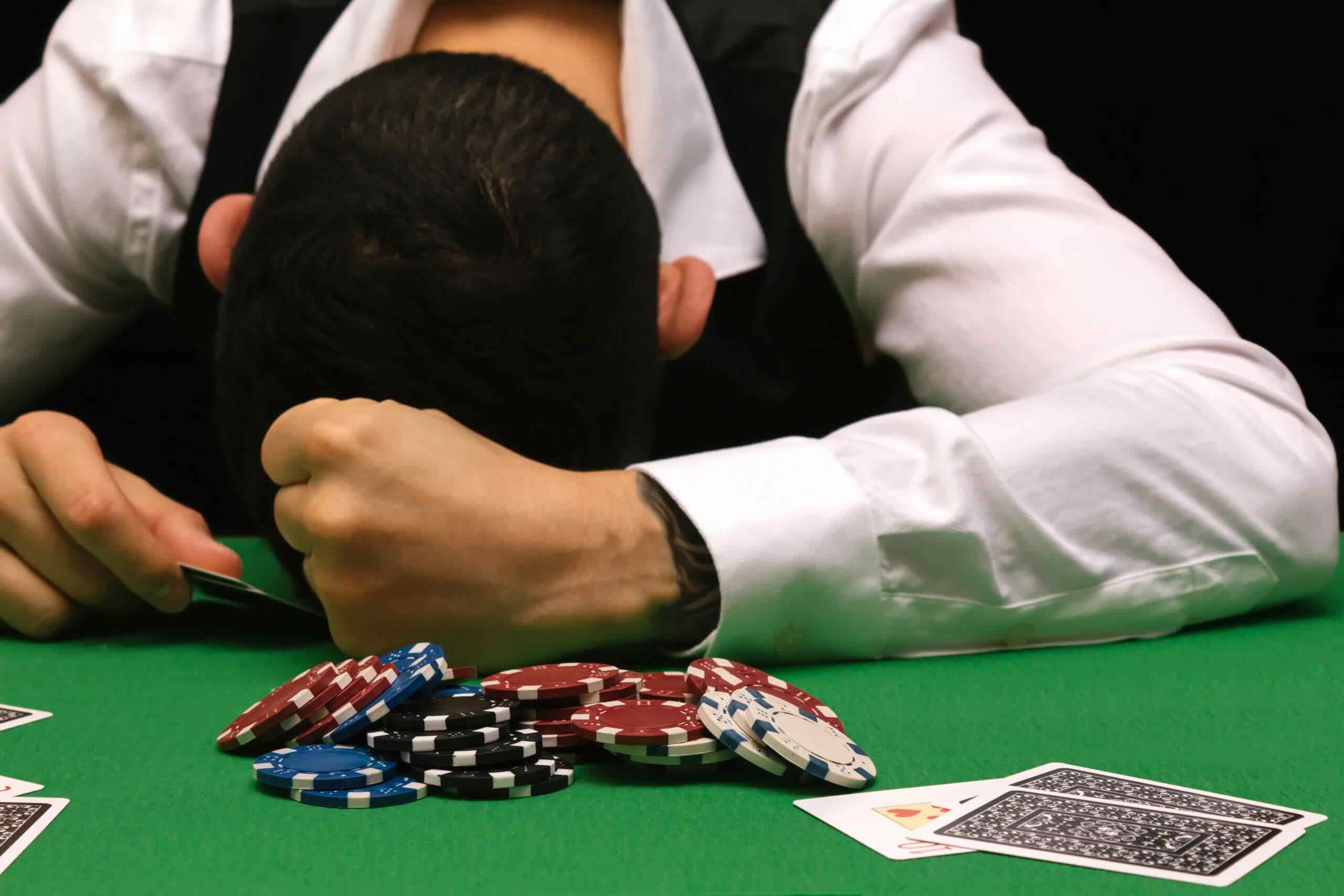
Emotional attachments to money can heavily influence gambling behaviors. Players often develop personal narratives around their betting strategies, creating emotional stakes that go beyond simple financial loss. The concept of loss aversion indicates that the pain of losing is felt more acutely than the pleasure of winning, often driving gamblers to chase losses in an attempt to regain what they’ve lost.
This spiraling effect can lead to further financial difficulties, as desperate attempts to recover losses can result in even higher stakes. Recognizing and understanding these emotional dynamics can help gamblers make more informed decisions, breaking the cycle of loss chasing and impulsive behavior.
Connecting with Community Through Responsible Gambling Resources
Understanding the psychology behind high-stakes decisions is essential not only for gamblers but also for communities and organizations working to promote responsible gambling. Providing resources and educational materials can empower individuals to recognize their emotional patterns and cognitive biases, fostering healthier habits.
Communities play a pivotal role in raising awareness about the psychological impacts of gambling. By sharing knowledge and encouraging open discussions around the risks of high-stakes gambling, individuals can make more informed choices, promoting a culture of responsible gaming that prioritizes emotional well-being and financial security.